
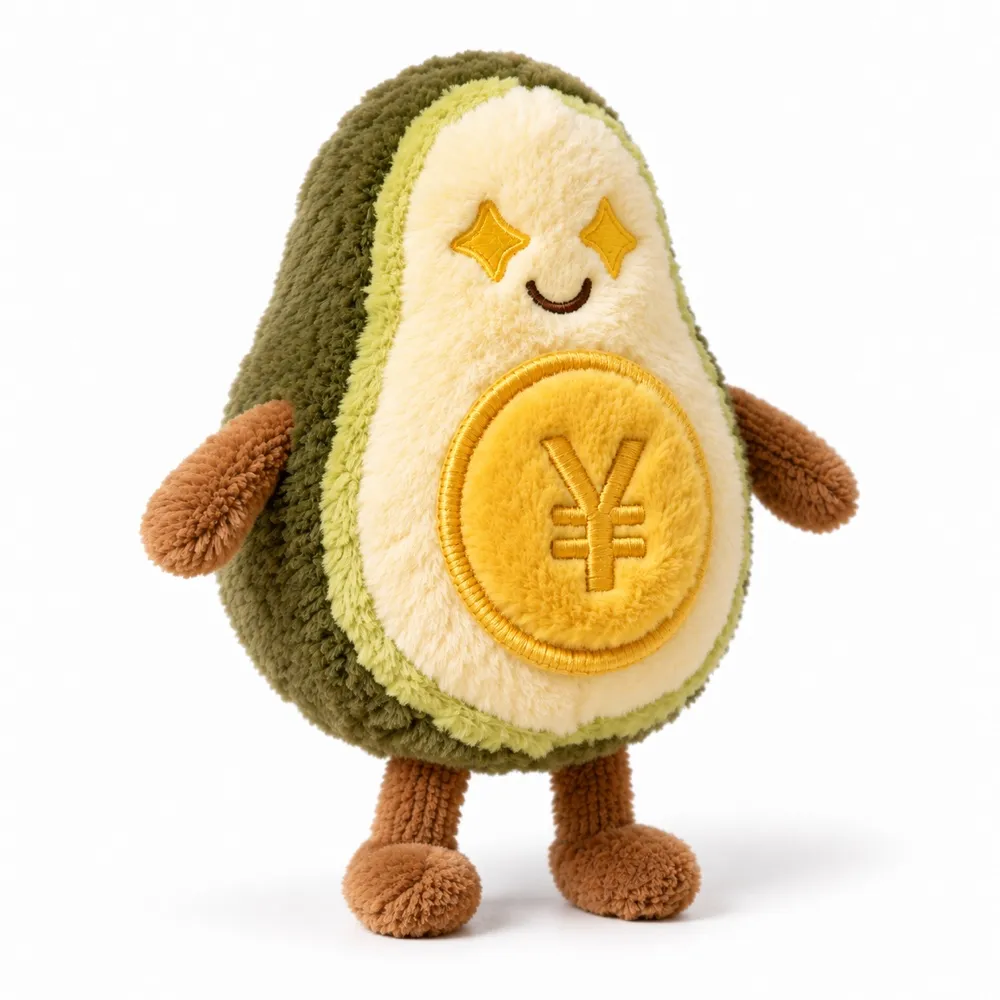
An inspiration board is clearer when it names the attribute being discussed. A reference might explain a broad colour mood or image layout without becoming a request to reproduce a particular character.
Describe the attribute plainly
Write what the team wants to explore and keep the proposed character's own source material separate. Avoid forwarding a competitor image with only “make this”. Catalogue references can help discuss general silhouette or costume directions while remaining distinct products.
Build an independent brief
Resolve the selected features into the project's own artwork and decision record. Keep source and permission questions with the responsible party rather than assuming a mood board establishes the right to reproduce every visible element.

Before development or publication, review the proposal against the actual project requirements. The useful result is a clear design task, not a disguised copy request with a different file name.
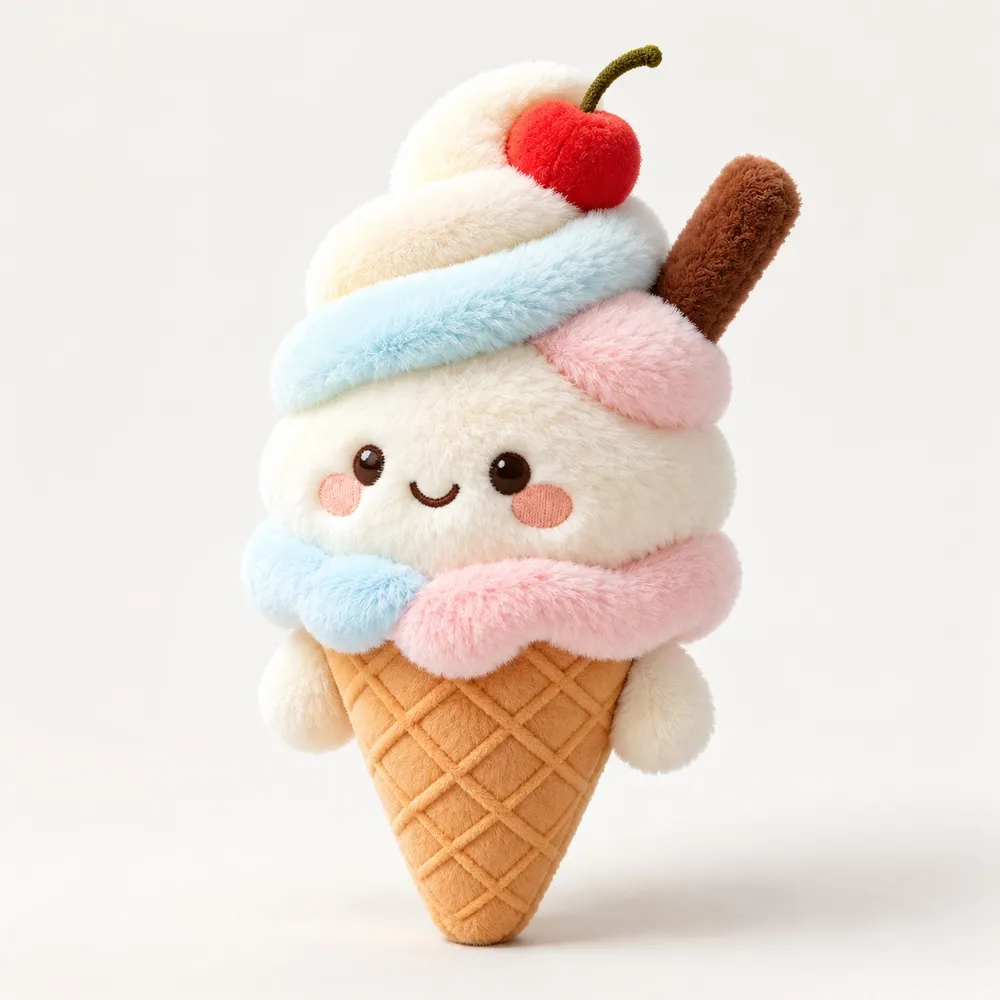
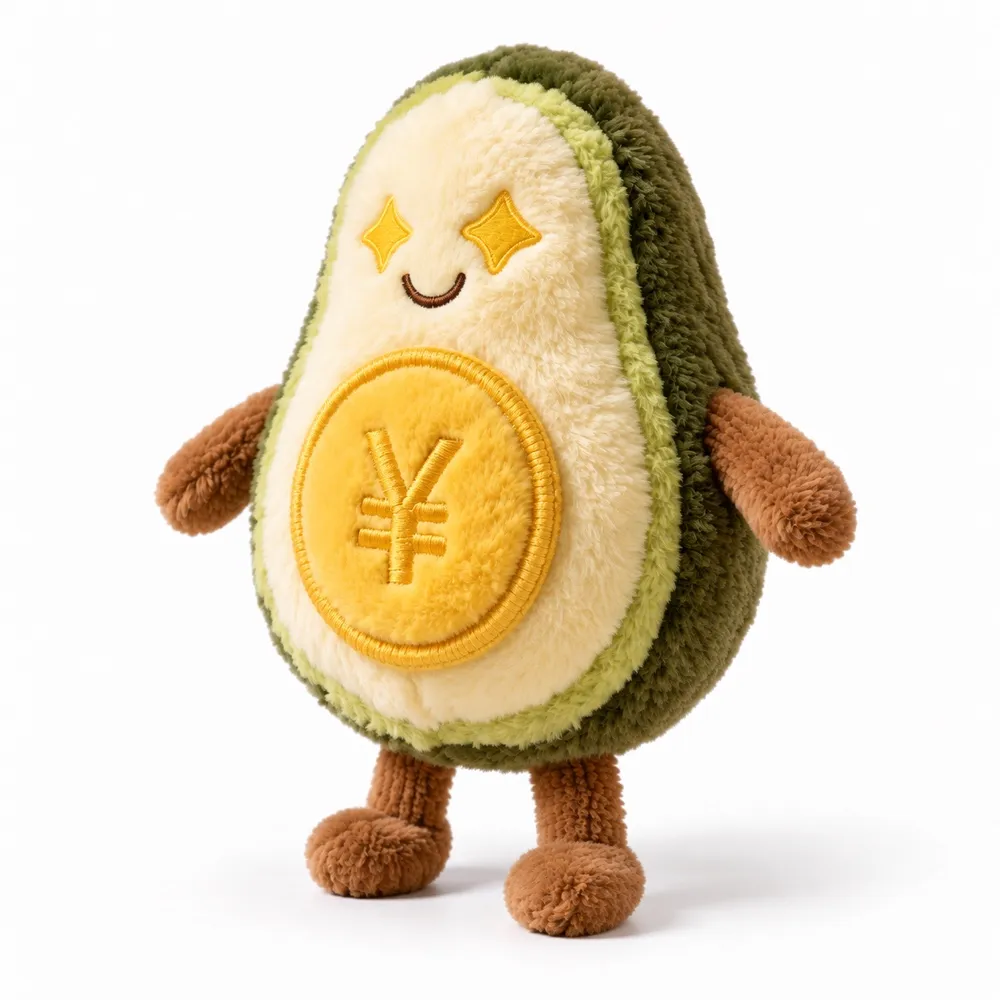
Product references: Avocado Plush Toy · Frog Plush Toy – Orange Scarf · Ice Cream Cone Plush Toy – Pastel Swirl. Discuss a custom brief · Send an enquiry.