

A plush assortment is easier to present when customers can understand what connects the products. Instead of choosing every appealing character, start with a clear role for the collection in your shop. A focused group gives you a more manageable basis for photography, shelf planning and product information.
Define the customer and setting
Describe who the assortment is intended for and where it will appear. A small gift corner, an online character collection and a themed event table have different space and presentation needs. Use information from your own shop or audience rather than assuming that one character style will appeal equally to everyone.
Choose a recognisable core
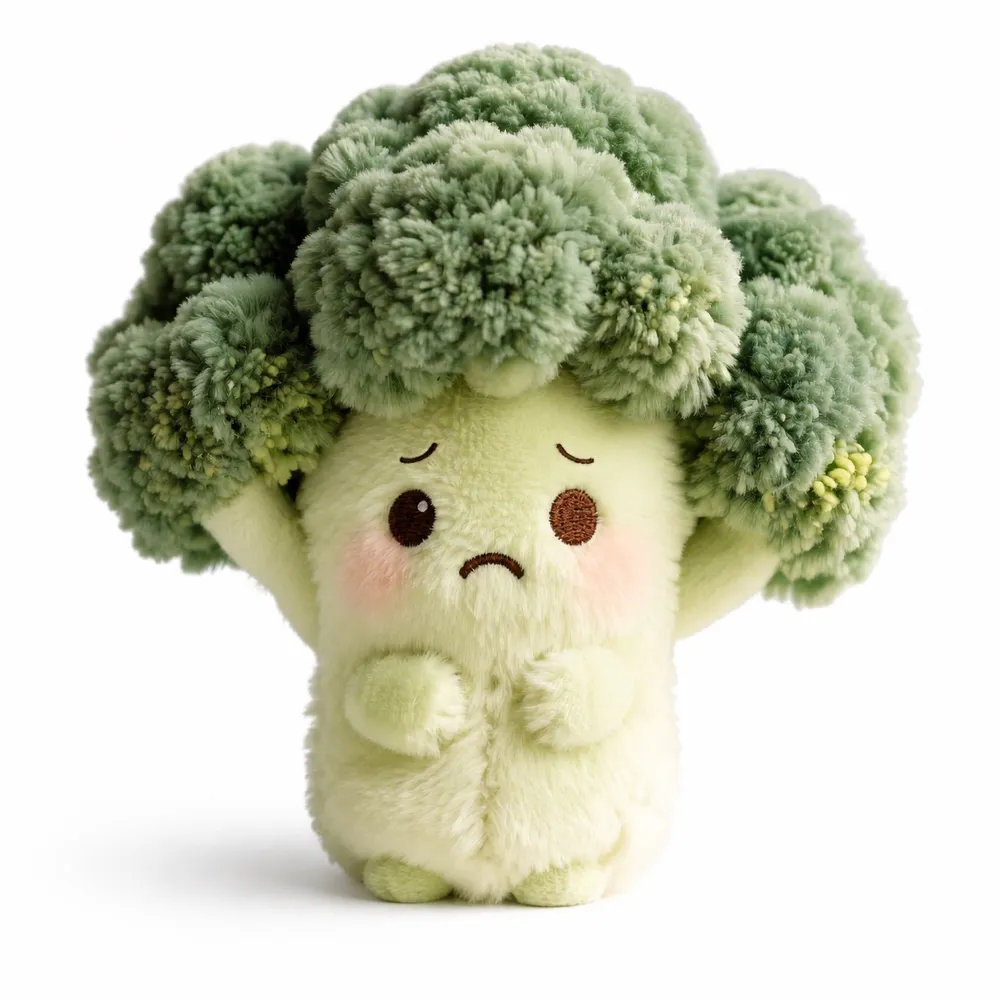
Select a small set of related designs as the main collection. Fruit, vegetable or food characters can each provide that connection. Then decide whether one contrasting character would help the display. The core should remain clear enough that a customer can describe the collection after a brief look.
Give every item a role
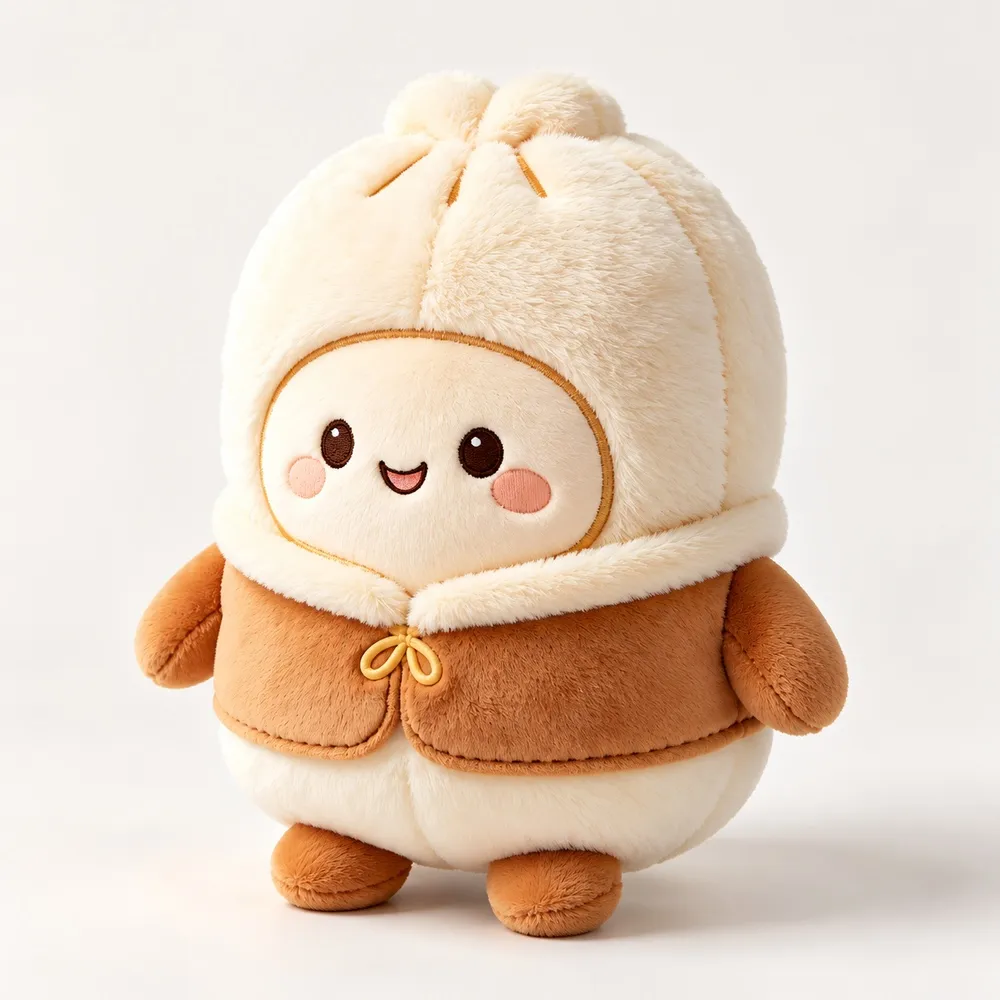
Separate the focal design from supporting variations. One character may introduce the theme, another may offer a different colour, and a third may provide a contrasting silhouette. If two items do exactly the same job, compare them carefully before keeping both. This is a planning method, not a prediction of which product will sell best.
Build an information sheet
For each shortlisted item, record the exact product name, link, confirmed dimensions, materials, age information and packaging details. Keep commercial terms, availability and delivery arrangements in separate confirmed fields. This helps prevent an attractive photograph from becoming a substitute for the information needed to make an ordering decision.
Test the space before expanding
Sketch the shelf or create a simple digital grid using real dimensions. Consider how a shopper will view and remove each item. For online presentation, review the collection at thumbnail size as well as on individual product pages. Add more designs only when they improve choice without making the theme harder to understand.
Explore the PLUSHIP categories to build a shortlist, then discuss current product and ordering details for the specific items. Begin with a collection you can describe, photograph and maintain clearly, and use your own customer feedback to guide later changes.
Discuss your product shortlist or contact PLUSHIP with your questions.
Related reading: Plush Toy Retail Display Ideas for Clearer Product Presentation.